

Author
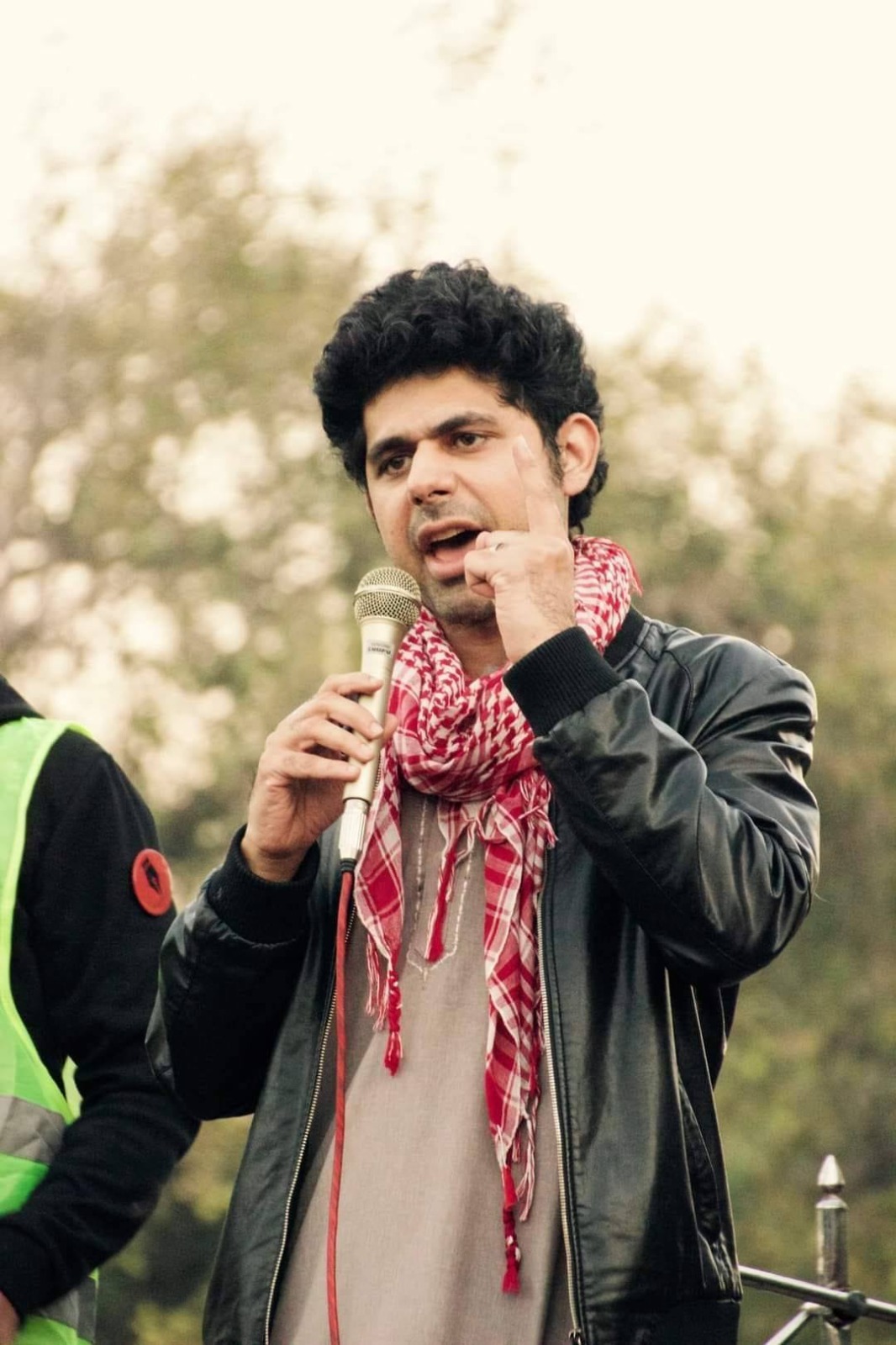
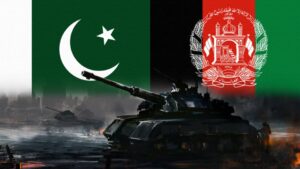
The discourse on Pakistani social media over the events of the past week has been awful. Otherwise educated, progressive youth across the country exhibited unnecessary hate and racism towards other communities. Demeaning and classist language was used against Pashtuns while grotesquely sexist language was used against Punjabis. At a time when AI is transforming the world at a dizzying pace, one expects the youth to be able bring fresh ideas to address the moral, social and economic decay that has gripped our society. Instead what we heard were taunts of “Tandoor walay” or “Heeramandi ki aulaadein”, slurs that show the depths of hate and bigotry that have pervaded even the apparently “enlightened” minds of society.
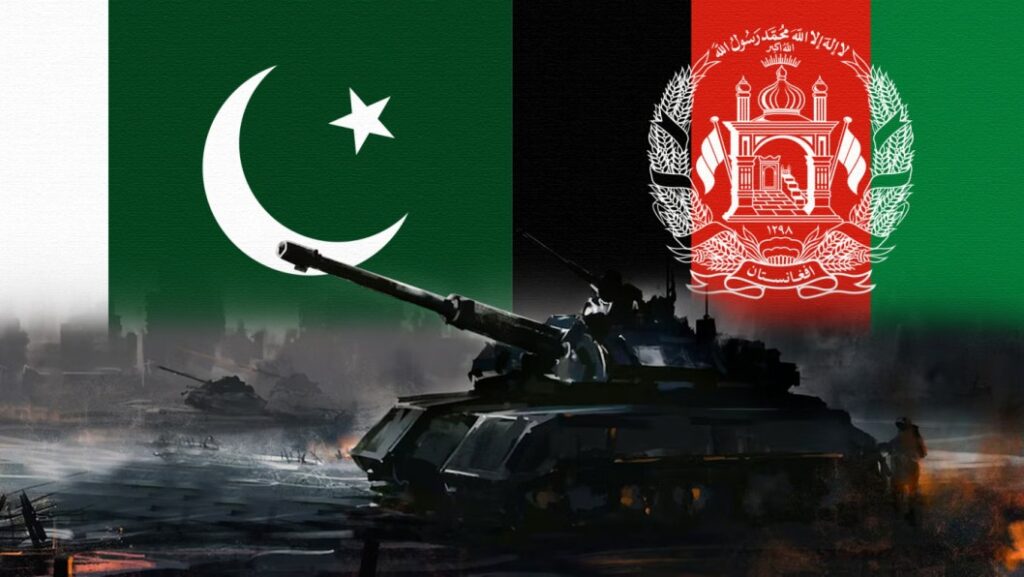
The conflict itself was enormously tragic. Too many commentators have tried linking this battle with Trump’s comments on the Bagram airbase. In my opinion, it appears more a result of contingent factors emanating from the destruction caused by US wars, Pakistan’s attempts to maintain hegemony in Kabul, and the Taliban’s attempt to gain legitimacy by laying claim to Afghan nationalism. These factors combine to produce constant frictions that can no longer be attributed to any grand design. In fact, we are witnessing the micro-politics of the afterlives of imperialist wars, beginning with the US-sponsored Jihad to the incessant bombardment of the country since 9/11. The desperate attempts of the Taliban regime to cozy up with the Modi government are survival tactics in the midst of economic stagnation and political disarray, elevating immediate tactical intensity over any long-term strategic horizons. This is precisely what makes the violence from these episodes not only tragic and pervasive, but also meaningless in the political sense.
We have a government in Islamabad that is unable to acknowledge its role in collaborating with the US to undermine progressive forces in Afghanistan and continues to harbour fantasies of hegemonism on the Western border. On the other hand, we have the Taliban government that is not only riven by paralyzing internal fissures, but is also fuelling delusions of historical grandeur and territorial expansion as a compensation for its lack of legitimacy at home. One of the methods used by them in recent years, and parroted even by some progressive Pashtun voices, is terming Afghanistan the “Graveyard of Empires”. This historically nonsensical myth is a construct from the Cold War when the US funded Jihadi groups against the socialist government in Kabul. These false narratives overturned the actual history of how different empires used Afghanistan in their geostrategic calculus, imposing a massive cost on the Afghan people in the form of underdevelopment, poverty and perpetual political stability. Turning this sordid history of under-development into pride was a CIA-weapon to overturn the very real chance of actual progress Afghanistan could have made with the PDPA government at the helm, pushing the entire region into a vortex of war and terror.
To repeat claims of Afghan victories against empire is as silly as the Pakistan military claiming it was responsible for the dismemberment of the Soviet Union. In actual fact, both Afghanistan and Pakistan were mere footnotes in the stories of other powers, bringing misery and destruction for the vast majority of our people while accruing incredible wealth for elites in both countries who benefited from war-profiteering.
Afghanistan will not become a proxy of Pakistan, nor will Afghanistan reach Attock. These fantasies of repeating the wars of the 18th century have always been delusional, but they become especially odious at a time when the region is becoming the epi-center of the new Cold War. These delusions have already cost hundreds of thousands of lives in our region. It is time to recognize that Pakistan and Afghanistan are inextricably linked to each other. They can only develop if they stop existing in the past and accept each other’s sovereignty and territorial integrity. Peace is the pre-requisite for utilizing the immense potential for trade and industry that can bring prosperity to our people. And peace is exactly what has evaded us due to imperialist interventions in our part of the world.
Those in power are merchants of blood and have stakes in continuous conflicts in the region. The recent ceasefire does not indicate that the root causes of the conflict have been resolved. Instead, they have merely been repressed, for now. The struggle to build peace has to be be led by the youth. But if the youth remains beholden to the ghosts of the past and succumbs to the worst racist temptations, then we are doomed. There should be pride in one’s identity, but nothing supersedes our collective humanity which must be rooted in solidarity with those who may appear different from us. Perhaps its time to exorcise the ghosts of the past and fight for our common destiny to change the fate of our region. The cost of our failure will be too high for our future generations.








some really nice and utilitarian information on this site, also I believe the style and design has excellent features.
Thank you very much. Keep reading and sharing.